


Shaping the
SPACE FRONTIER
A Hands-On Simulation
April 28, 2026 I 9:30 - 3:00 pm I Downtown Phoenix (map)
The program serves as a strategic lead-in to ARIZONA SPACE Congress™ 2026 on April 29 at the Hyatt Regency Downtown Phoenix. Registration for the pre-day program is limited. Full details will be provided to ARIZONA SPACE Congress™ registered delegates.

SPACE FRONTIER GUIDES
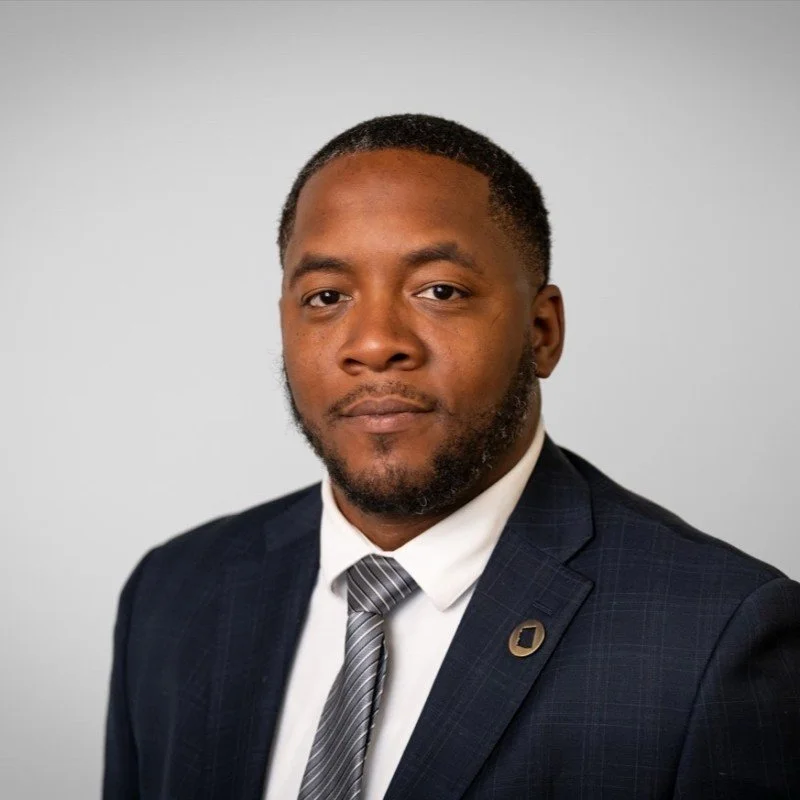
Devin M Patterson
Director of Strategic Engagement
Defense Innovation OnRamp: Arizona
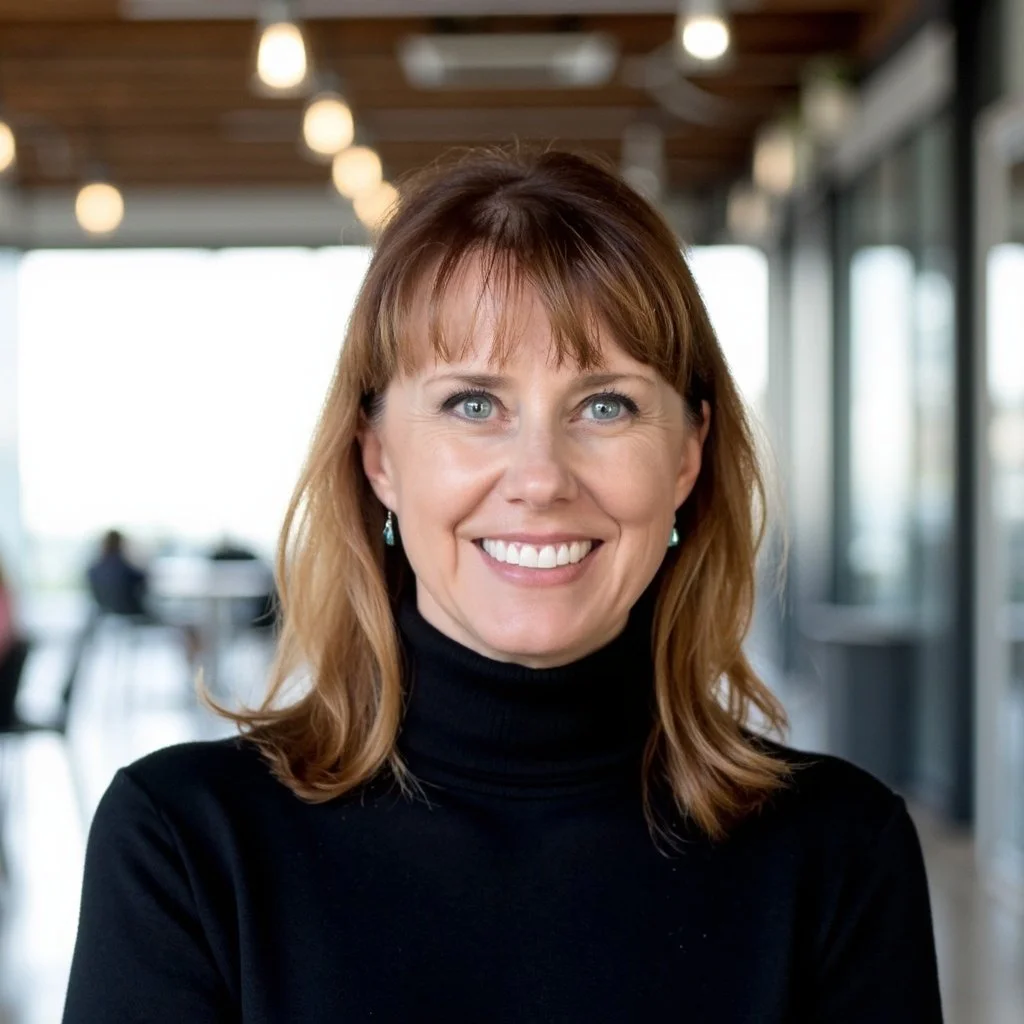
Toni Balzano
VP Strategy & Communications
Q Station

Robert S Katz
CEO & Executive Director
World Innovation Network (WIN)

Shruti Gurudanti
Co-Founder at televëda
Rose Law Group
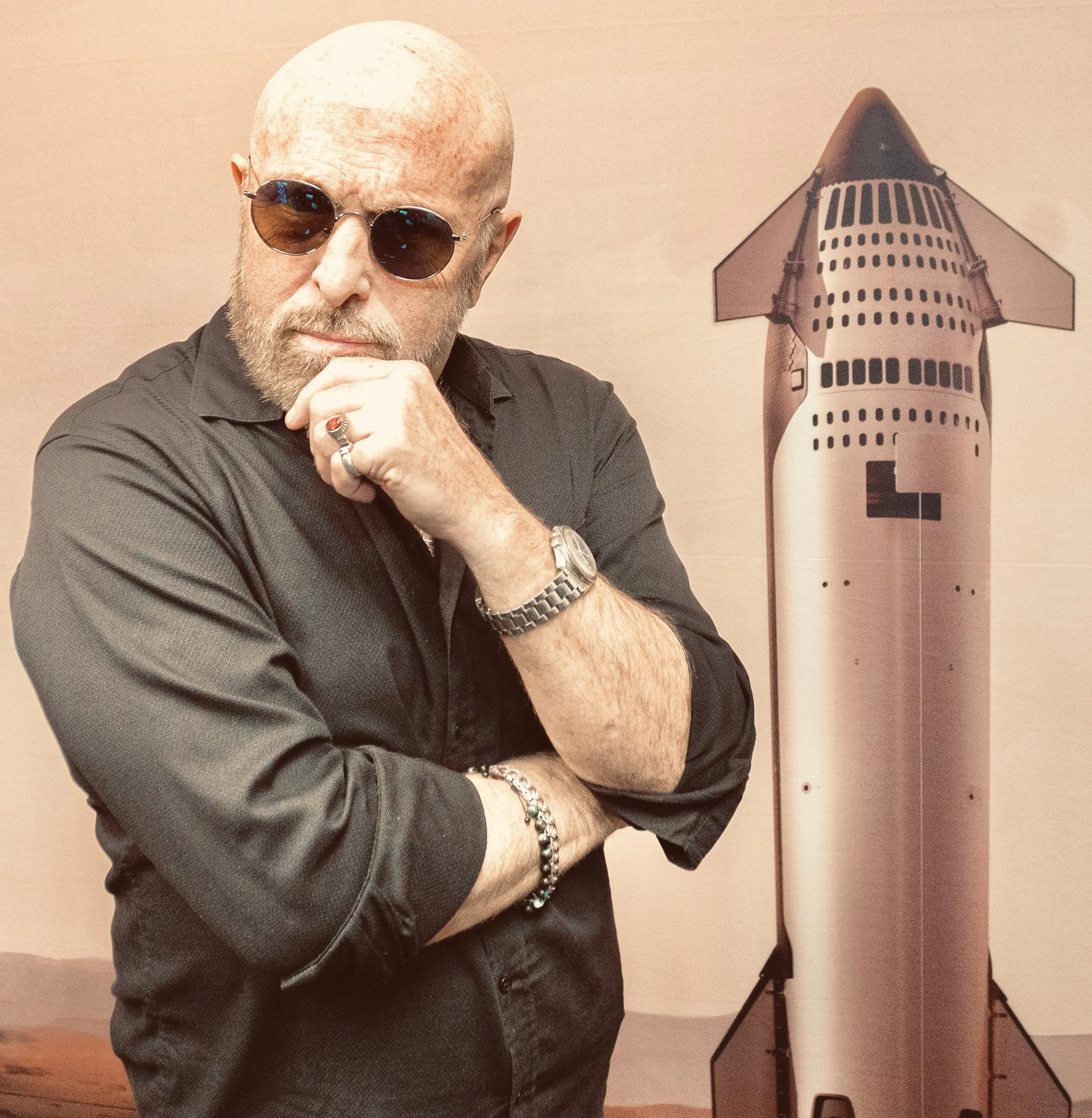
Rick Tumlinson
RT
Space Fund
EarthLight Foundation

David Beck
Principal
Space Technologies LTD

Bart Slowik
CEO & Founder
SylLab Systems
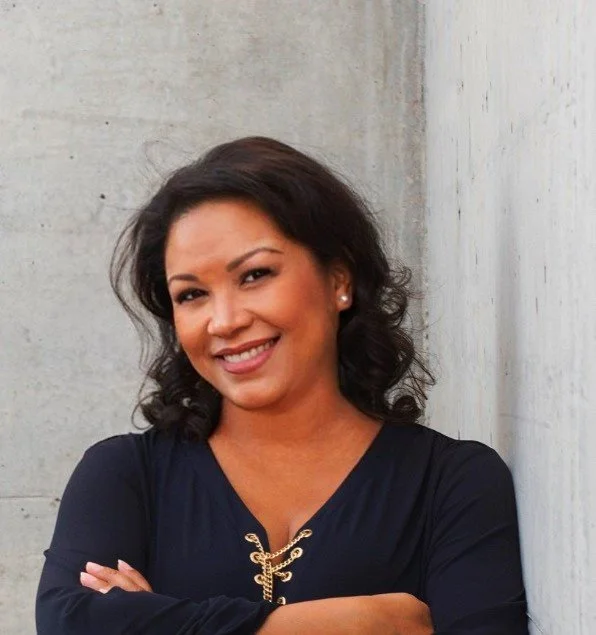
Karyn MacVean
Co-Founder
Arizona Spaceport Alliance

Angelica Sirotin
CEO
Sirotin Ventures

Taryn Struck
Co-Founder
Space Rising
Shaping the Space Frontier: A Hands-On Simulation will take place in downtown Phoenix on April 28, 2026, from 9:30 a.m. – 3:00 p.m. at the Defense Innovation OnRamp Hub: Arizona. This immersive, limited-capacity session presents a bonus pre-day experience for ARIZONA SPACE Congress delegates, deploying a real-world simulation of strategic decision-making for the emerging space economy.
The program is intentionally designed around the Mobilization Method, an applied framework developed to move delegates from insight to action. Deployed as a core organizing structure of the ARIZONA SPACE Congress™, the method guides the group through a deliberate progression: Information → Investigation → Ideation → Innovation.
April 28 I SHAPING THE SPACE FRONTIER: A HANDS-ON SIMULATION
-
9:30 - 10:00 am
WELCOME REMARKS
Devin M Patterson, Defense Innovation OnRamp Hub: Arizona
Robert S Katz, World Innovation Network (WIN)
Taryn Struck, Space Rising -
10:00 - 10:45
INFORMATION
Rick Tumlinson, RT of Space Fund and the EarthLight Foundation, establishes a shared foundation, framing space as both an industry and a human frontier. This phase aligns delegates around the scale of opportunity and responsibility—creating a common lens that informs all subsequent exploration and decision-making.
-
10:45 - 11:30
INVESTIGATION
Building on that foundation, Bart Slowik of SylLab Systems moves delegates into applied exploration through STAR, an open testbed for emerging space technologies. Delegates begin examining how space technologies are developed, tested, and secured, grounding the earlier context in real-world systems and constraints that will shape their strategic thinking.
-
11:30 - 12:30 pm
IDEATION
With this context in place, Angelica Sirotin of Sirotin Ventures guides delegates in translating insight into communication strategy. She clarifies how complex technologies can be positioned, communicated, and advanced within the evolving space ecosystem.
-
12:30 - 1:00 pm // LUNCH BREAK
-
1:00 - 3:00 pm
INNOVATION
The experience culminates in a team-based strategic simulation led by Devin M Patterson with Defense Innovation OnRamp Hub: Arizona and guest representatives, where delegates operationalize the full method. Drawing directly from the context, systems understanding, and strategic framing developed in prior phases, teams make investment decisions under real-world constraints—limited budgets, competing priorities, and uncertainty. Delegates assume the roles of Operators, Market Makers, and Builders—roles introduced as part of the evolving ecosystem—to reflect the interdependent nature of commercial, defense, and industrial space development.
Guest Representatives:
Robert S Katz, CEO & Executive Director, World Innovation Network (WIN)
Toni Balzano, VP of Communications & Strategy, Q Station
Shruti Gurudanti, Partner & Director of Corporate Transactions & Space Law, Rose Law Group
David Beck, Principal, Space Technologies Limited
Karyn MacVean, Co-Founder, Arizona Spaceport Alliance
This interactive experience empowers the group to explore strategic trade-offs, defend investment choices, and understand how near-term decisions shape the space economy and our national capabilities for 2030. -
3:00 pm
CLOSING REMARKS